Tulong
Humanitarian Logistics, Operationally Clear
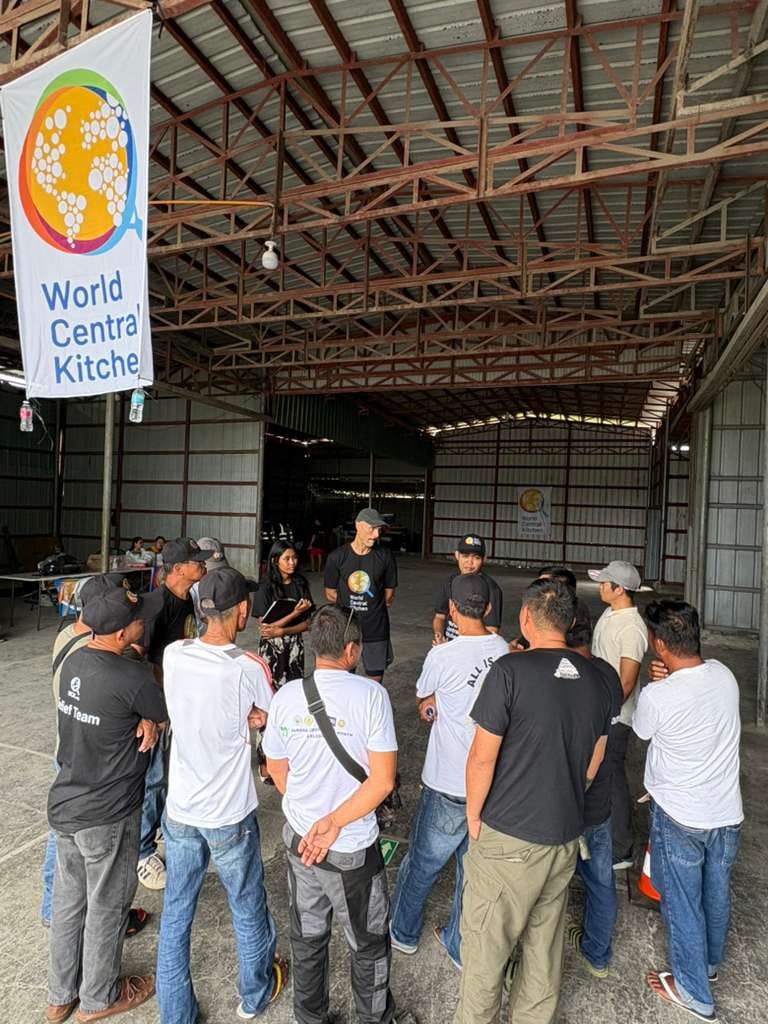
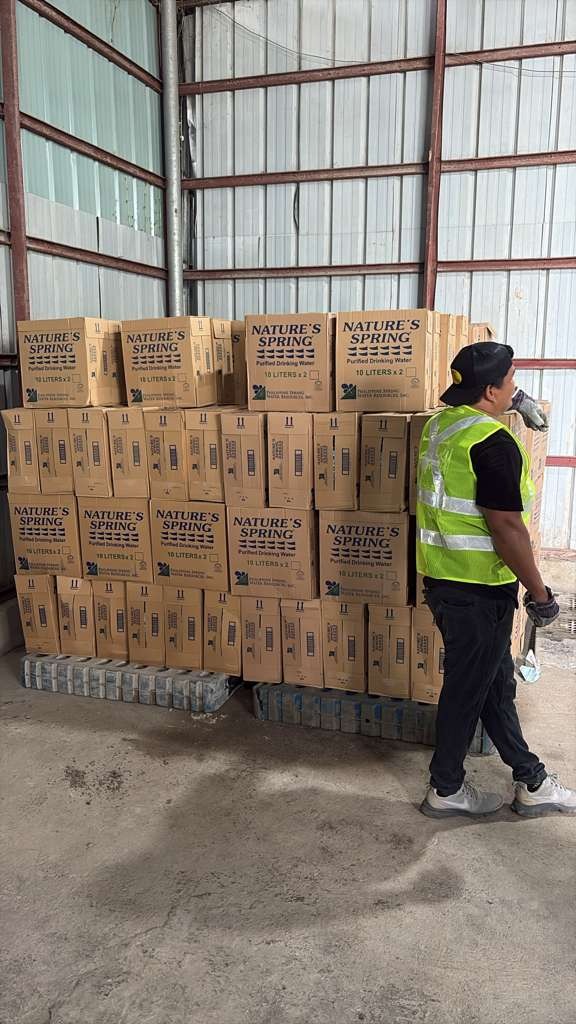
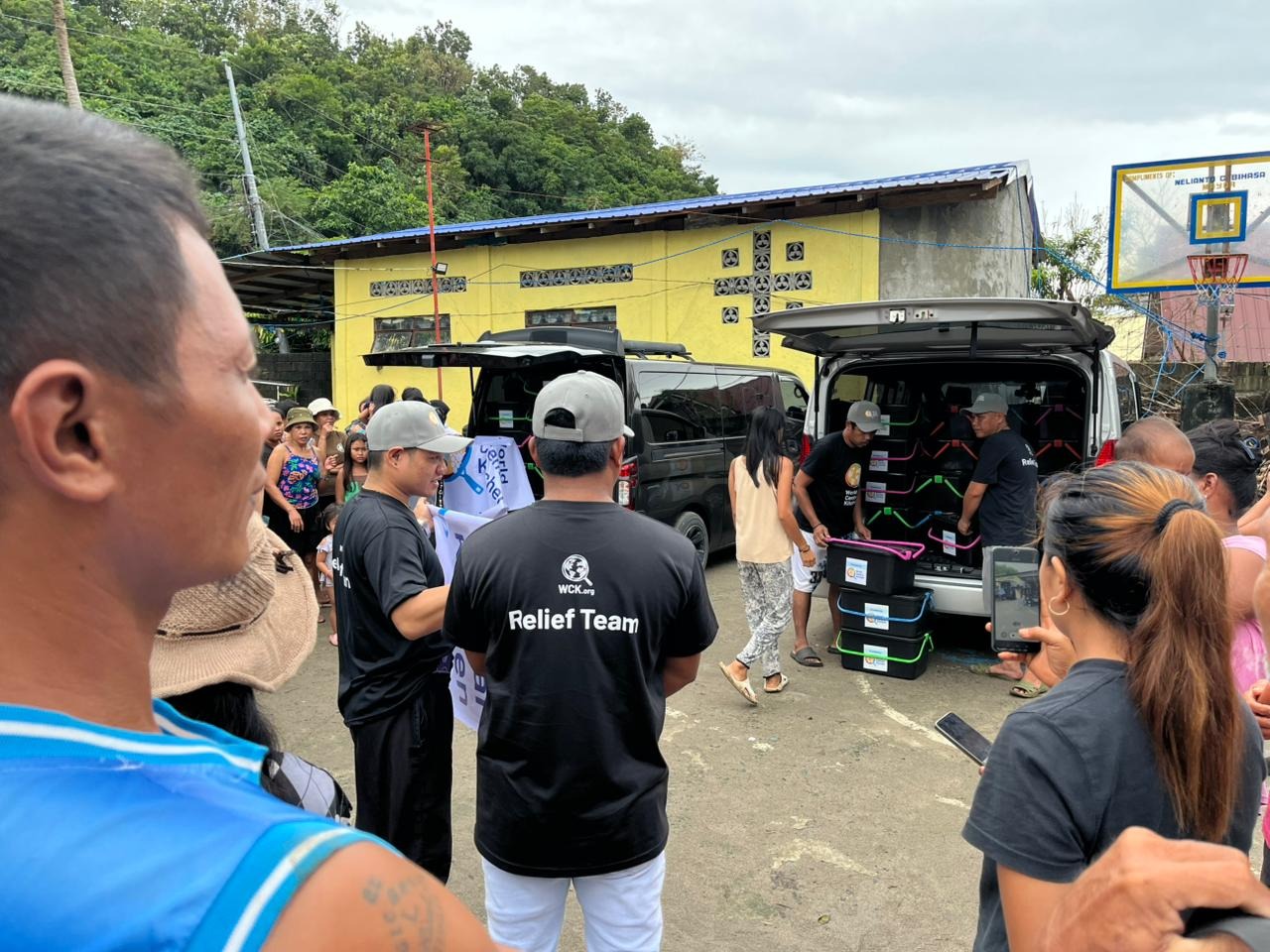
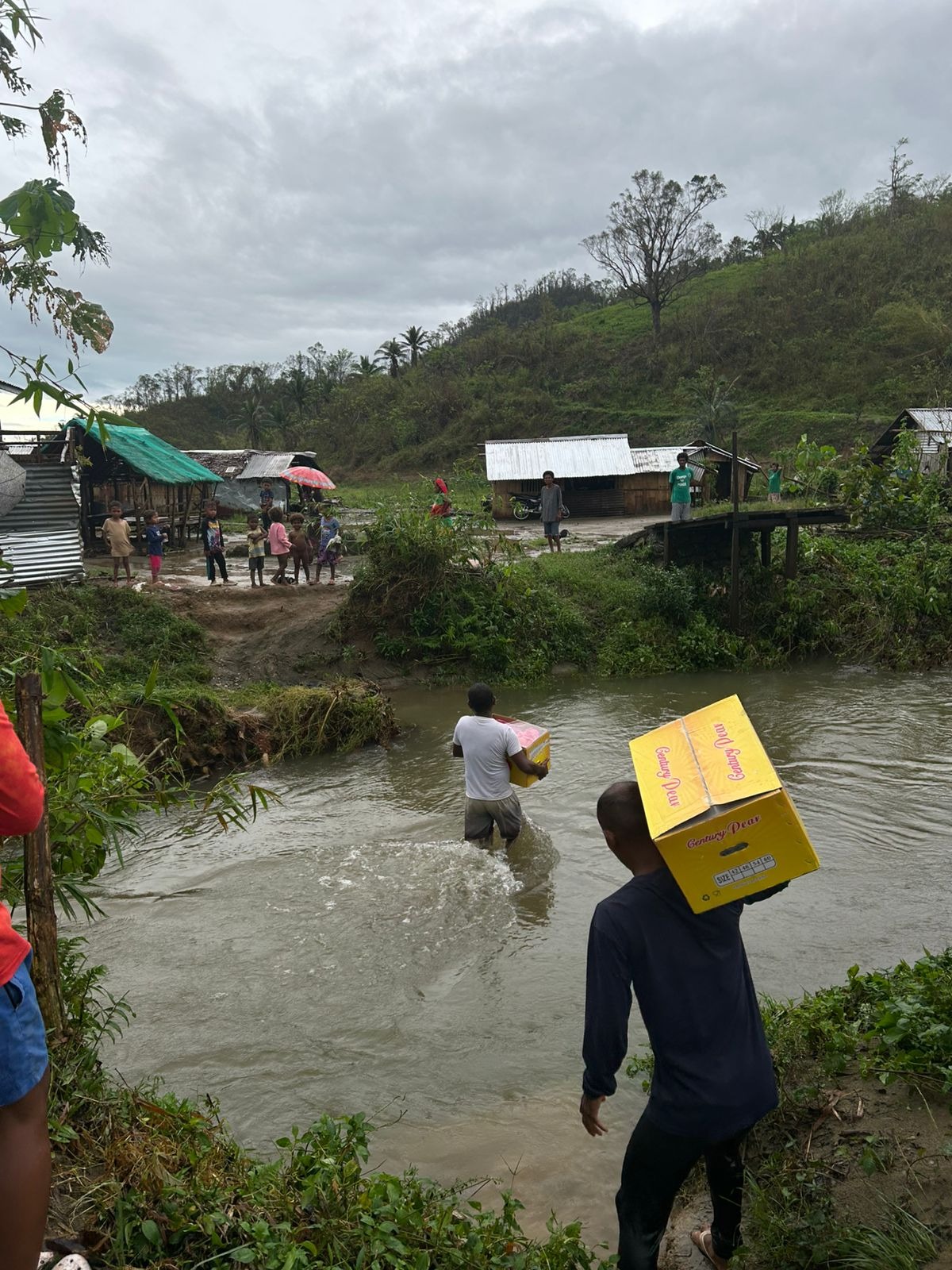
Tulong is a humanitarian logistics control system for last-mile aid distribution. Shaped by real field operations in Valencia (DANA) and the Philippines, it was developed in 2025–2026 as a working prototype aimed at improving planning clarity, fleet coordination, and delivery visibility.
-
project
Tulong
2025 - 2026 -
scope
UX/UI Design
System Design
Operational Logic
Data Visualization -
context
Valencia (DANA) + Philippines
Field-tested deployments
Designed for World Central Kitchen emergency operations
The challenge
Emergency teams plan with fragmented data and parallel tools. Routes, priorities and fleet use are hard to align in real time.
My role
I led it end to end: system concept, UX architecture, interaction logic and interface design.
The outcome
A working prototype tested against real scenarios: clearer planning cycles, faster dispatch alignment and shared awareness across teams.
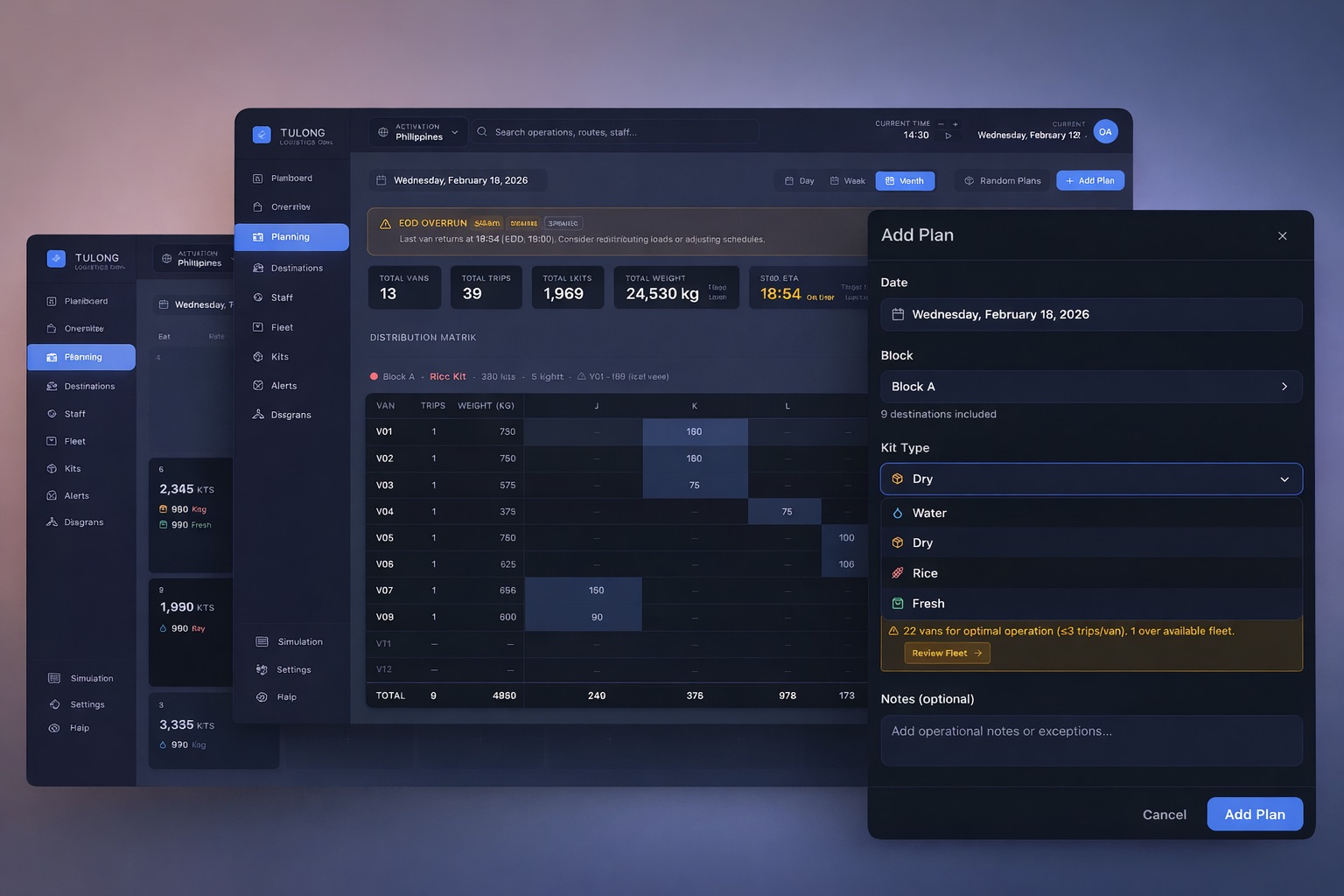
Emergency operations often run with fragmented data and parallel teams. Without a shared operational view, routing decisions, destination prioritization, and fleet usage become harder to align in real time.
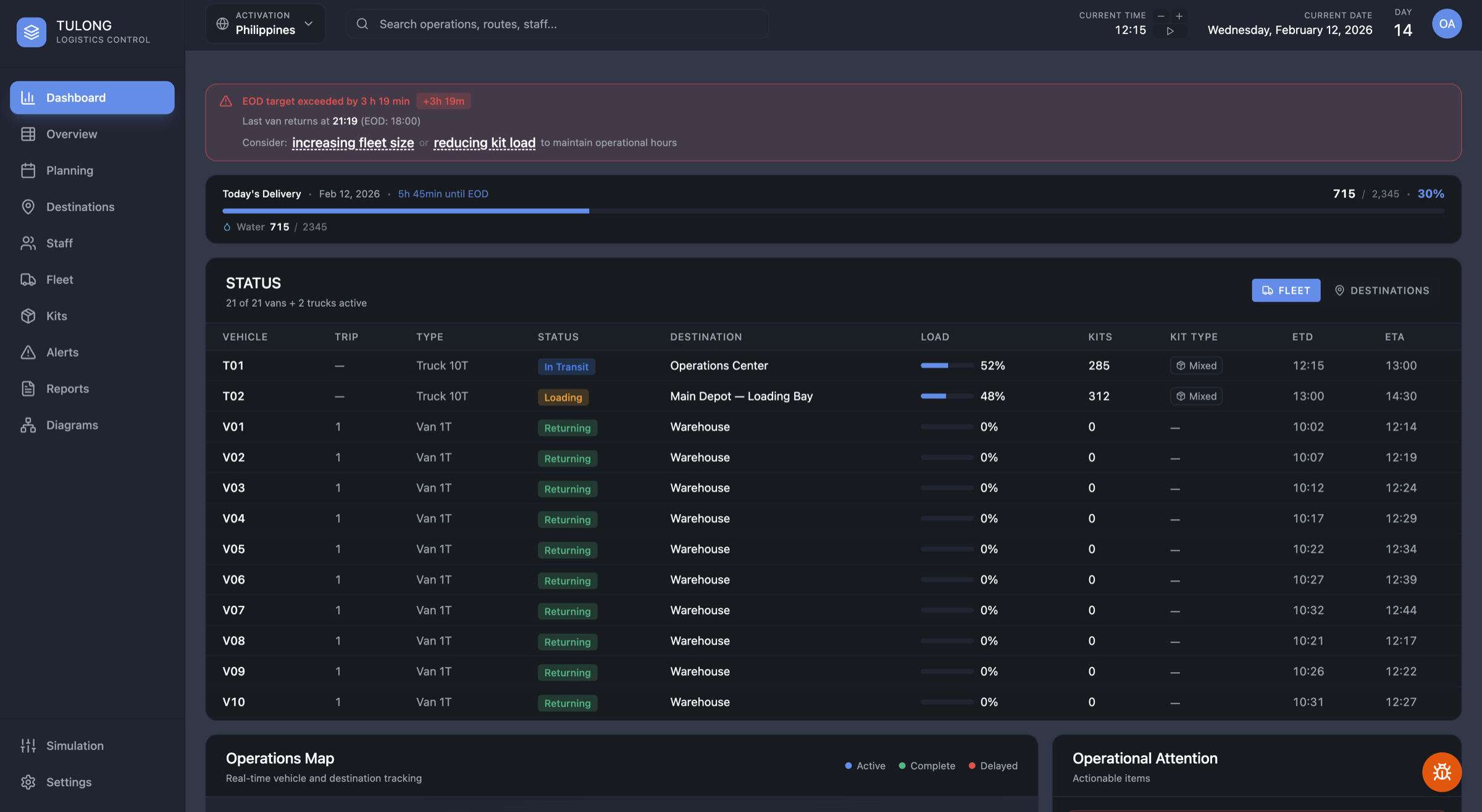
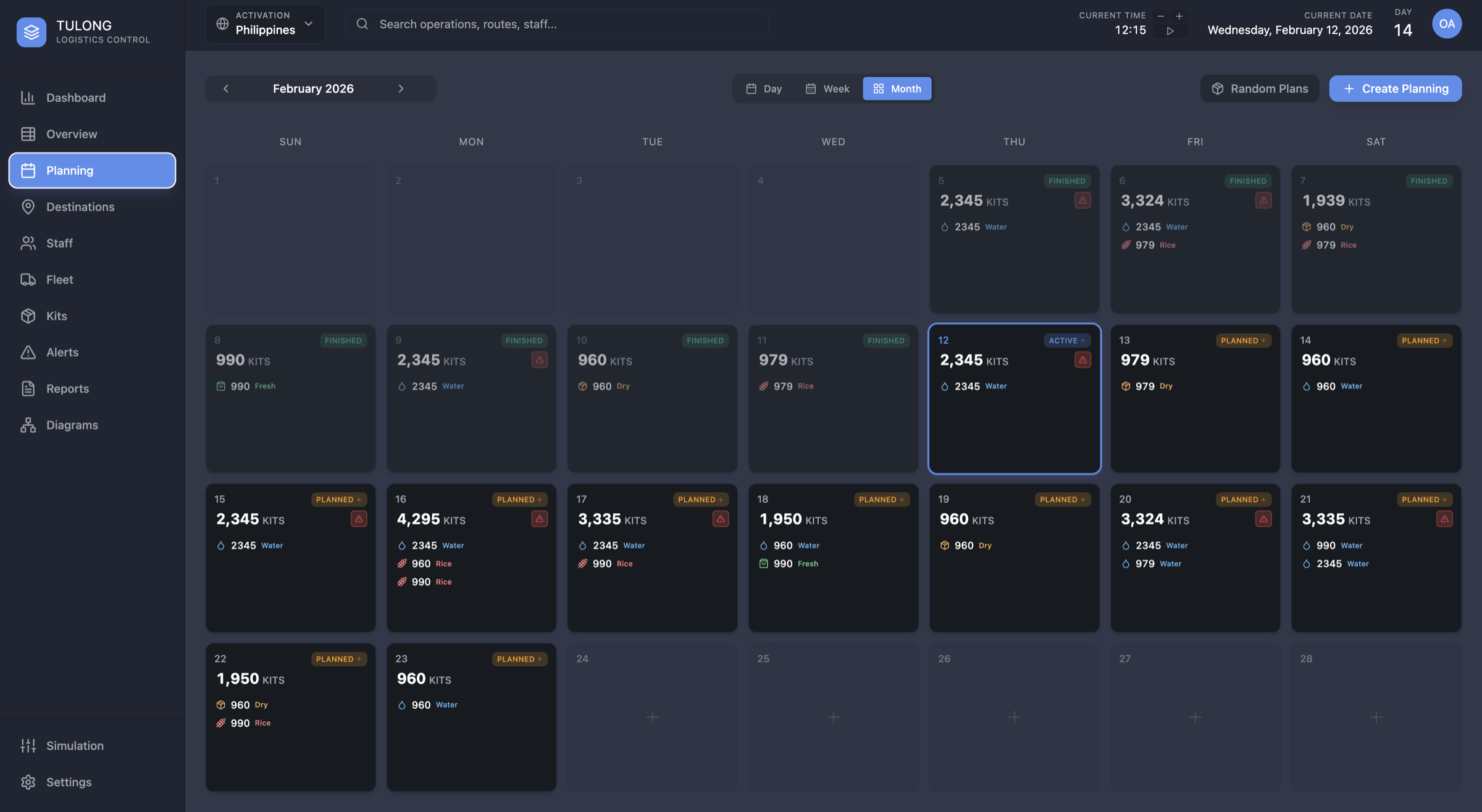
Tulong organizes response planning through three linked layers: kits, destination blocks, and fleet assignment.
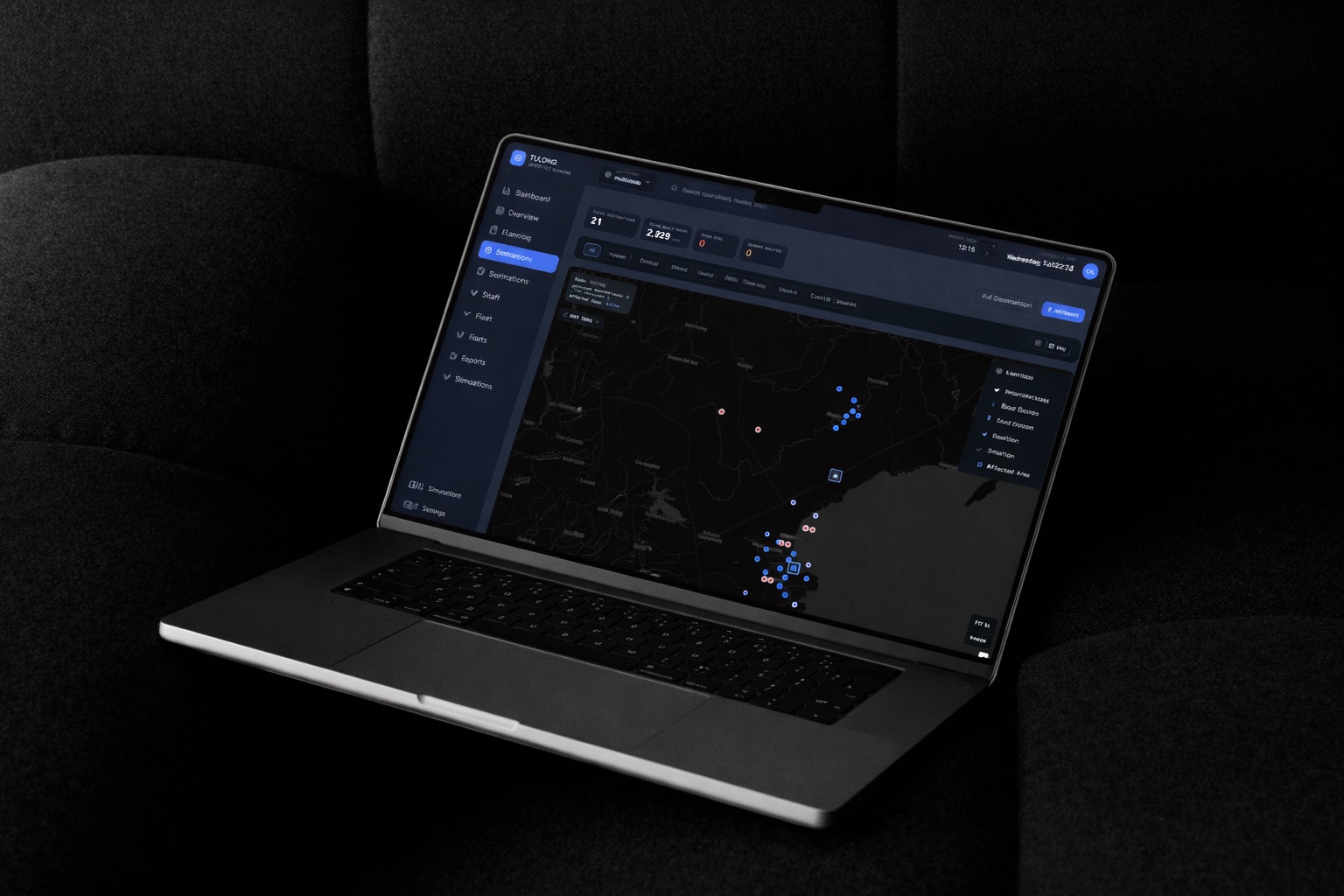
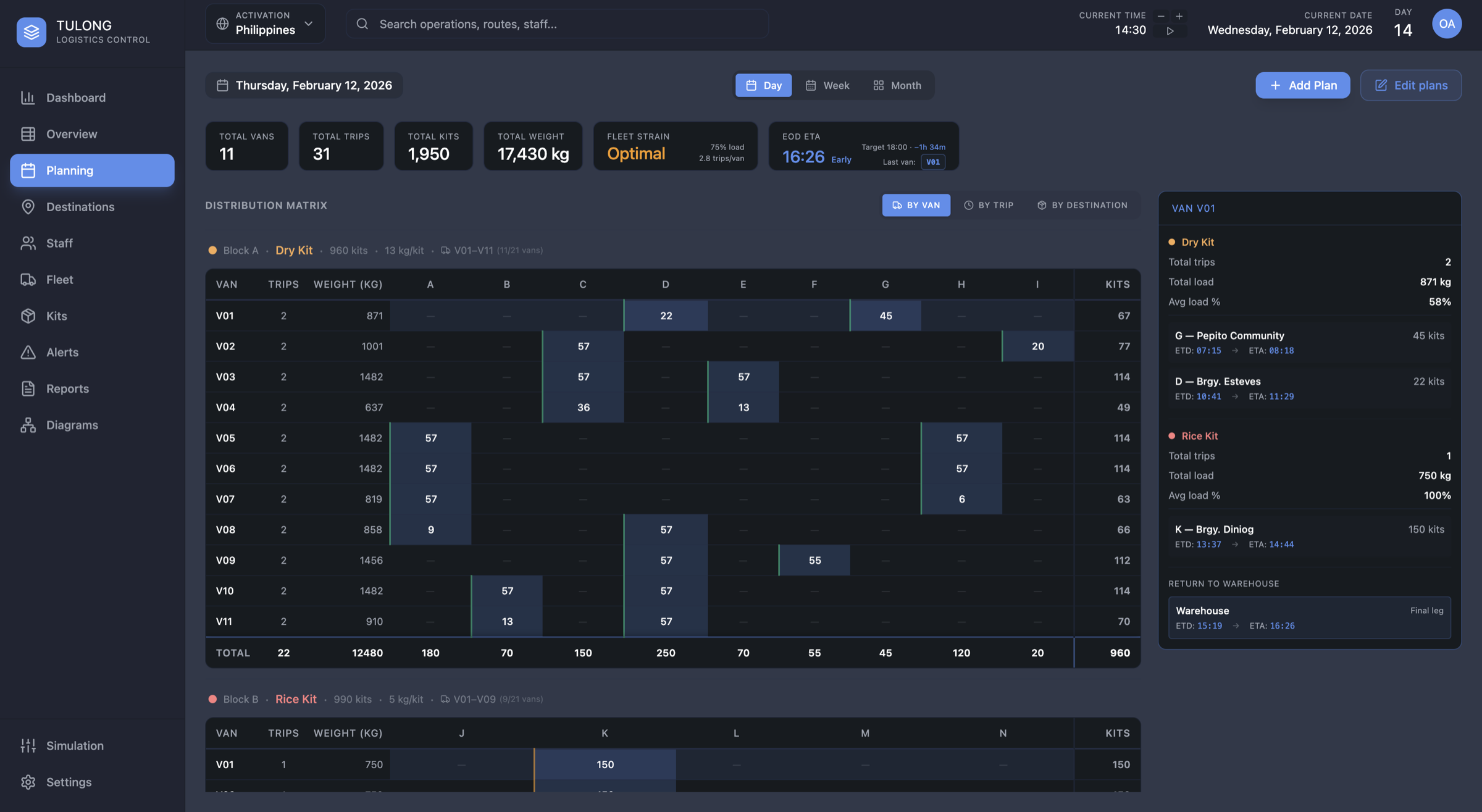
The distribution matrix acts as the single decision surface for coordinators during active operations, connecting route assignment, trip load, and destination timing in one glance.
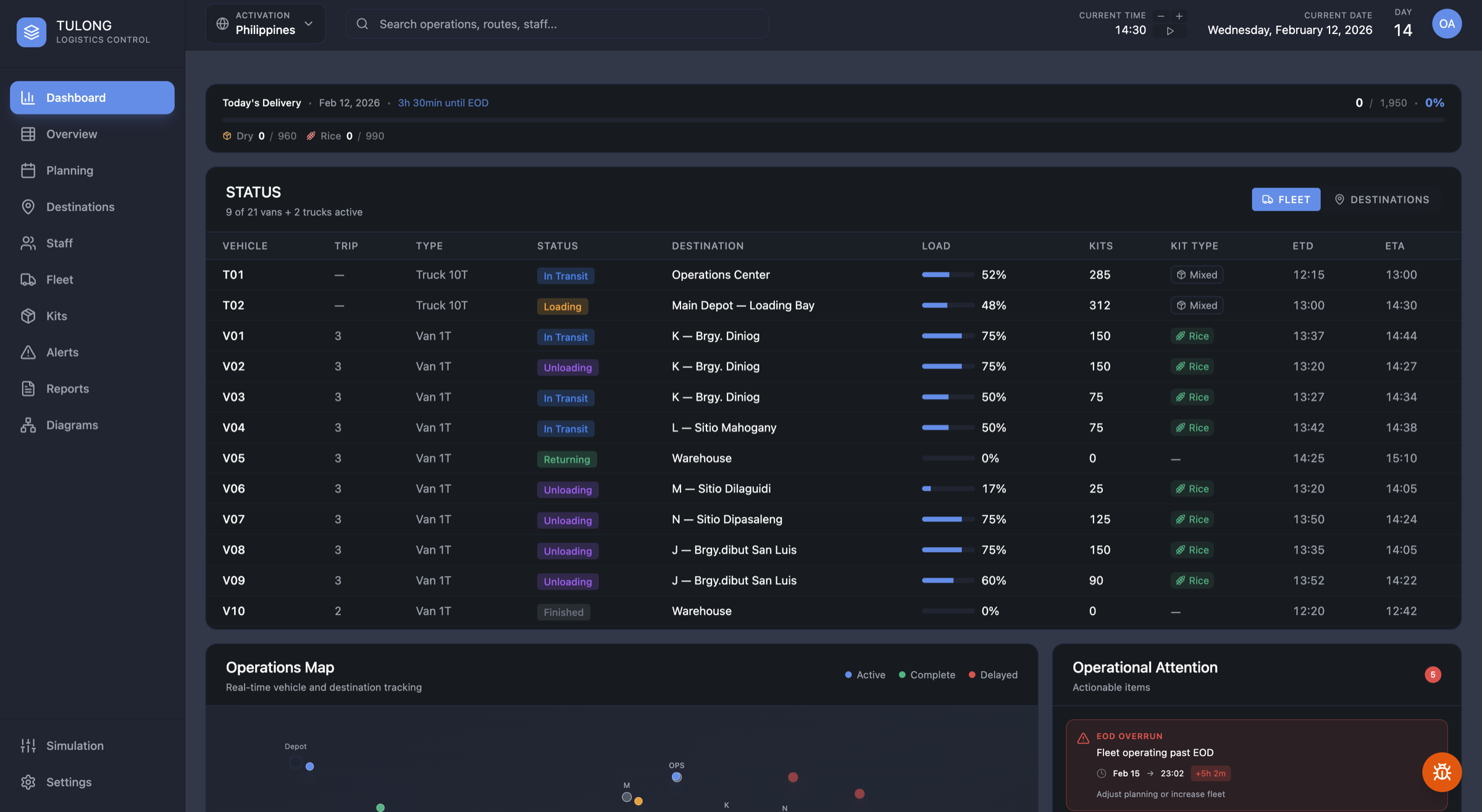
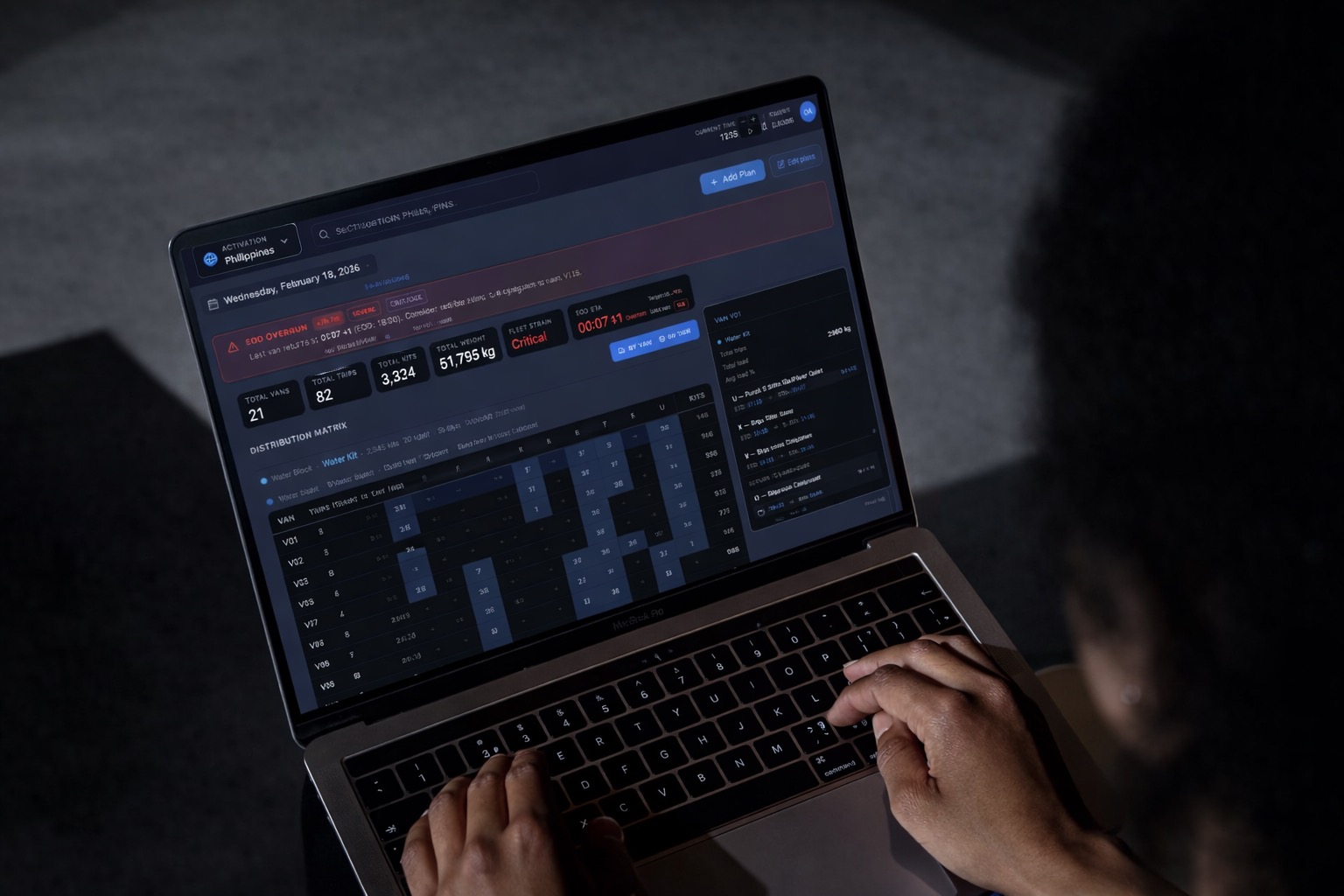
Daily planning and end-of-day optimization are designed as one continuous cycle: build feasible plans, test fleet strain, and rebalance distribution before dispatch deadlines are reached.
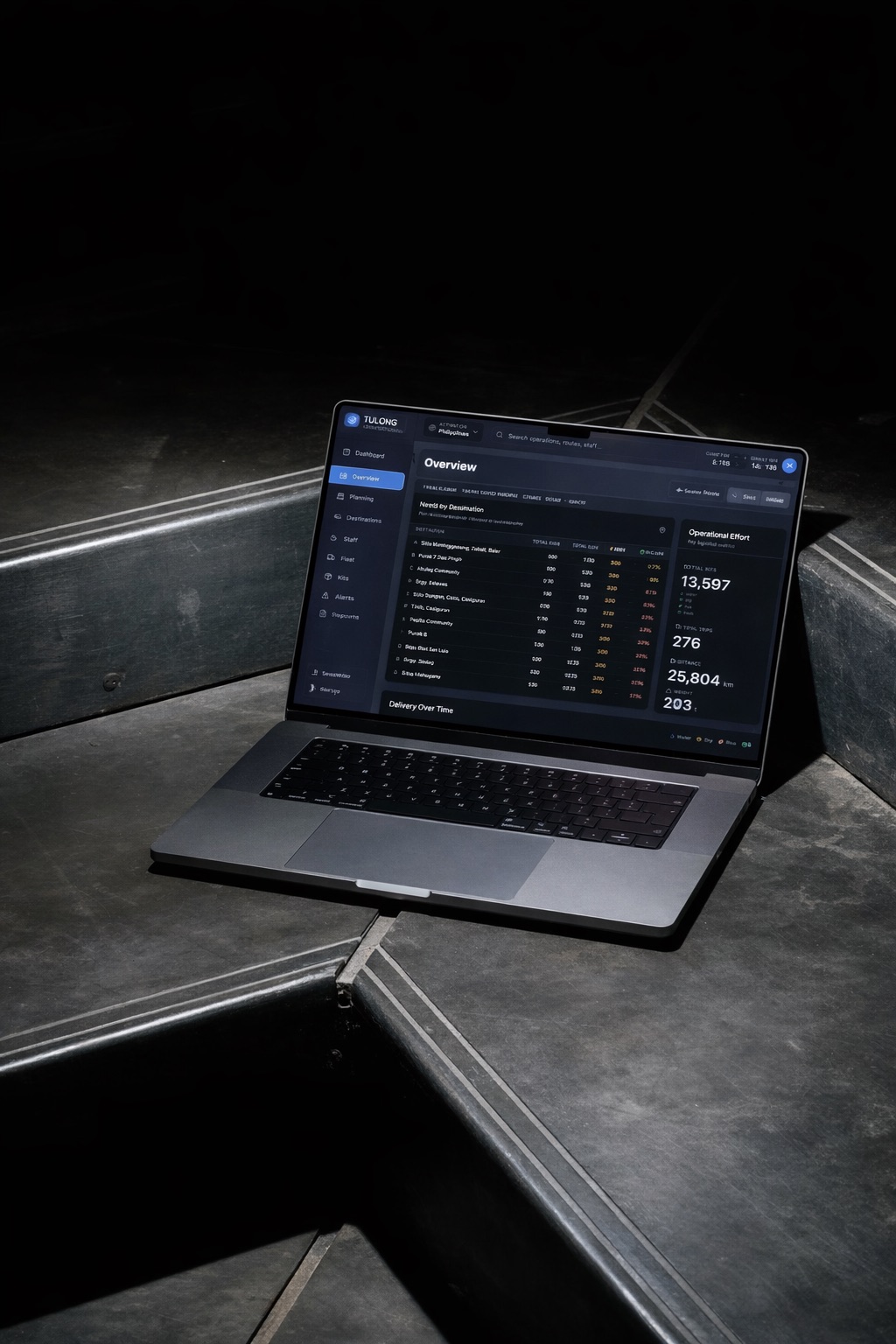
Tested against real operational scenarios, the prototype pointed to clearer planning cycles, faster dispatch alignment, and stronger shared awareness across teams, with smoother handoffs between planning, loading, and route execution under real constraints.
I led the project end-to-end: system concept, UX architecture, interaction logic, and interface design. Tulong is positioned as an operational proposal for World Central Kitchen emergency response scenarios.
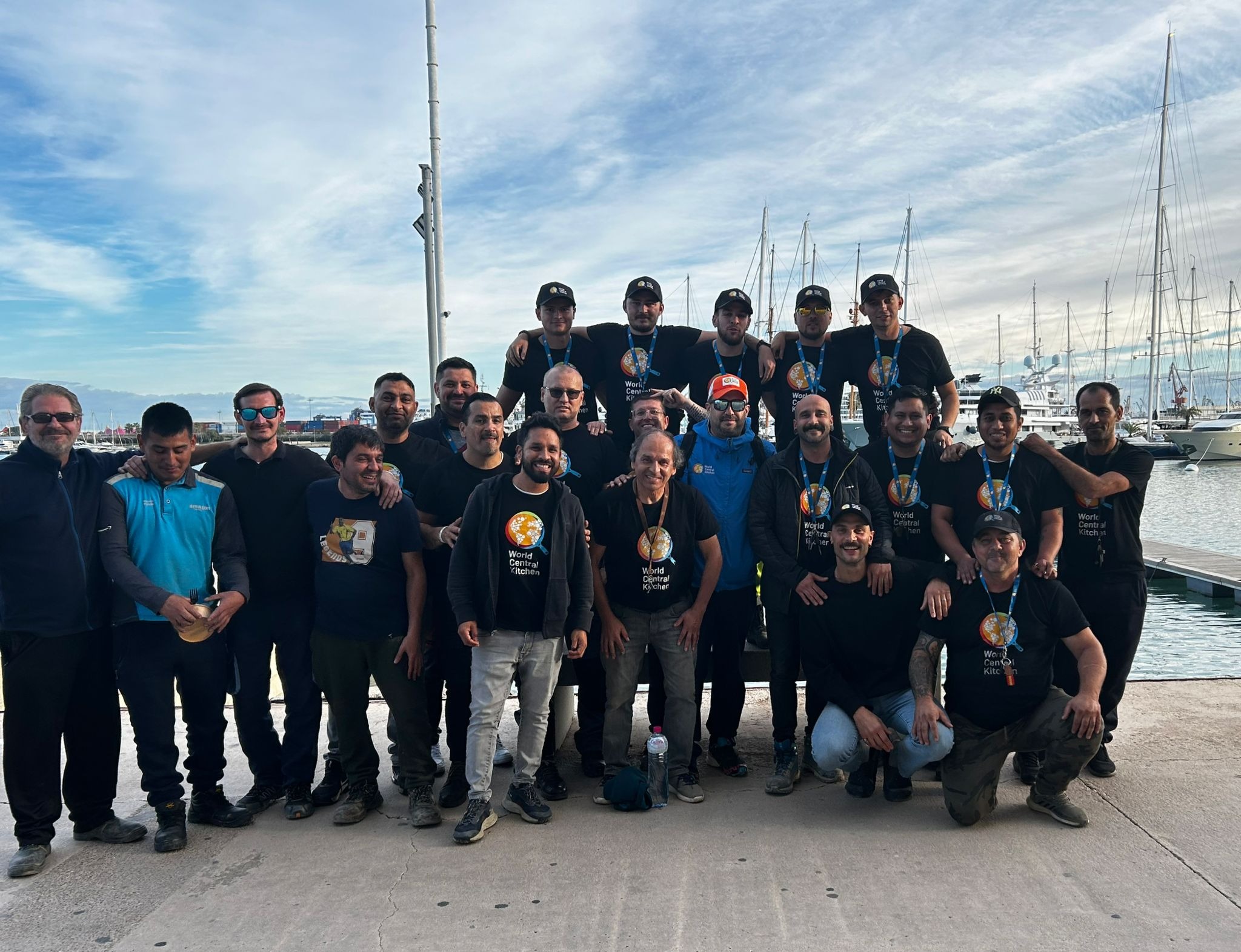
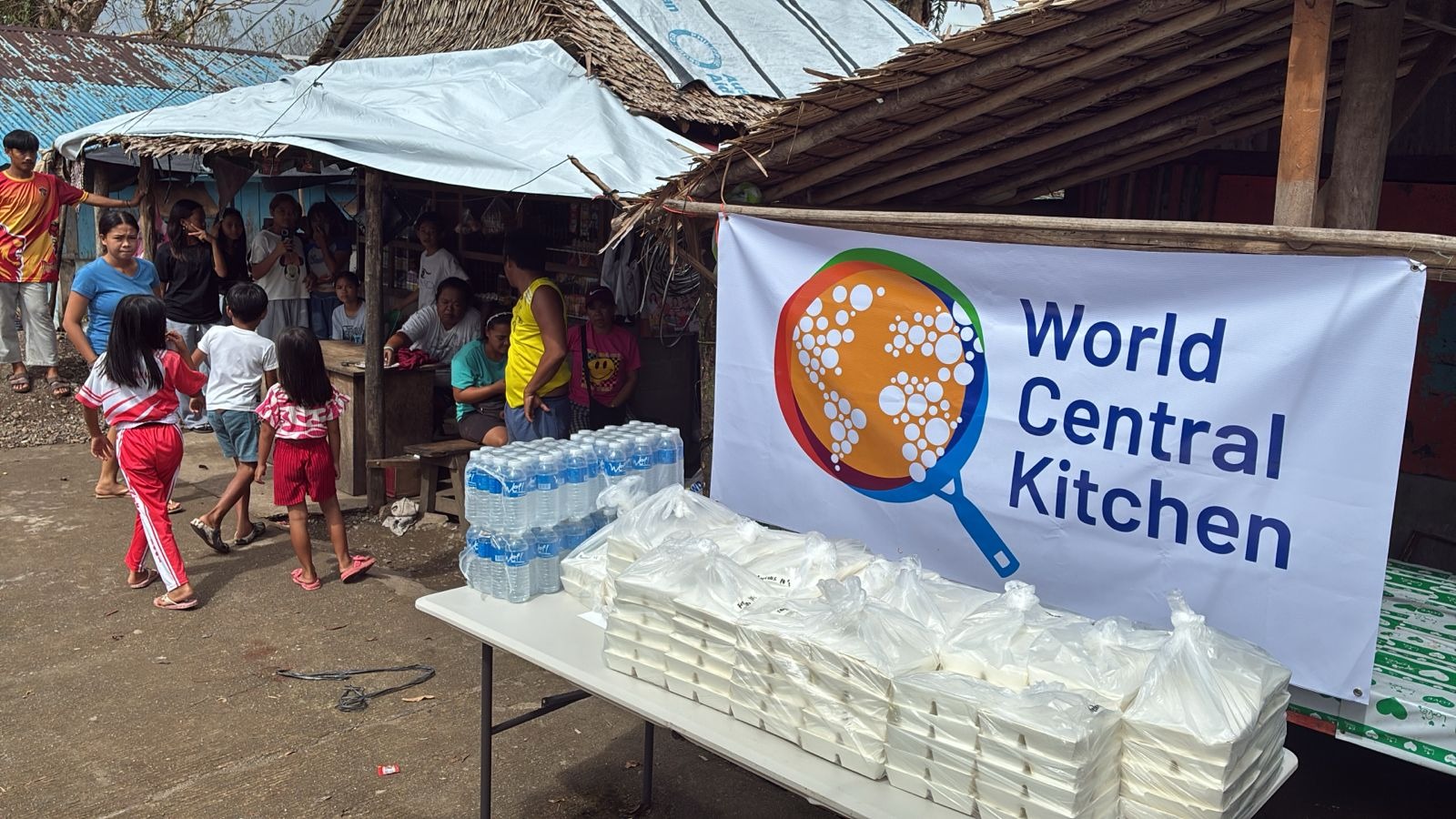
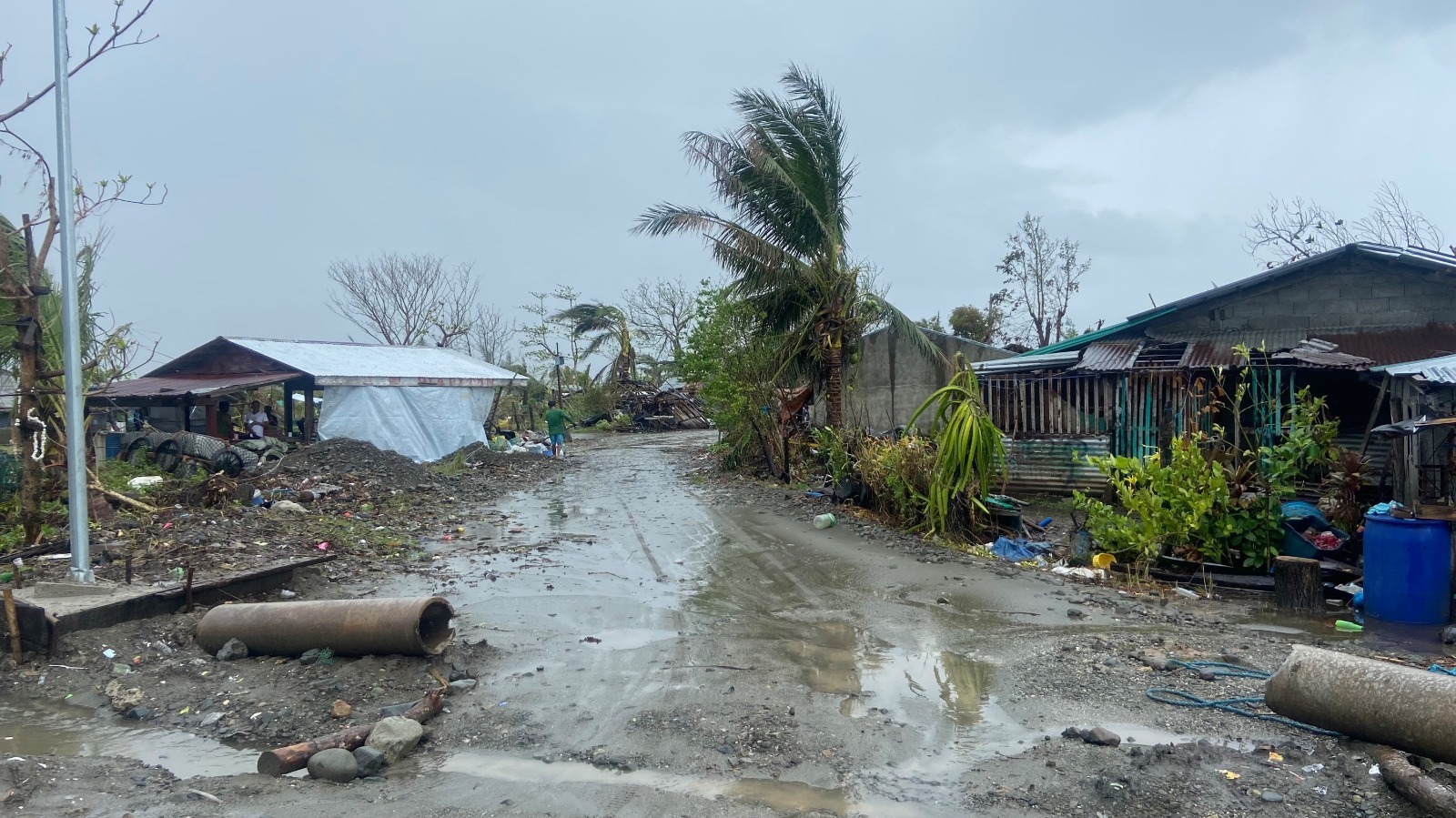
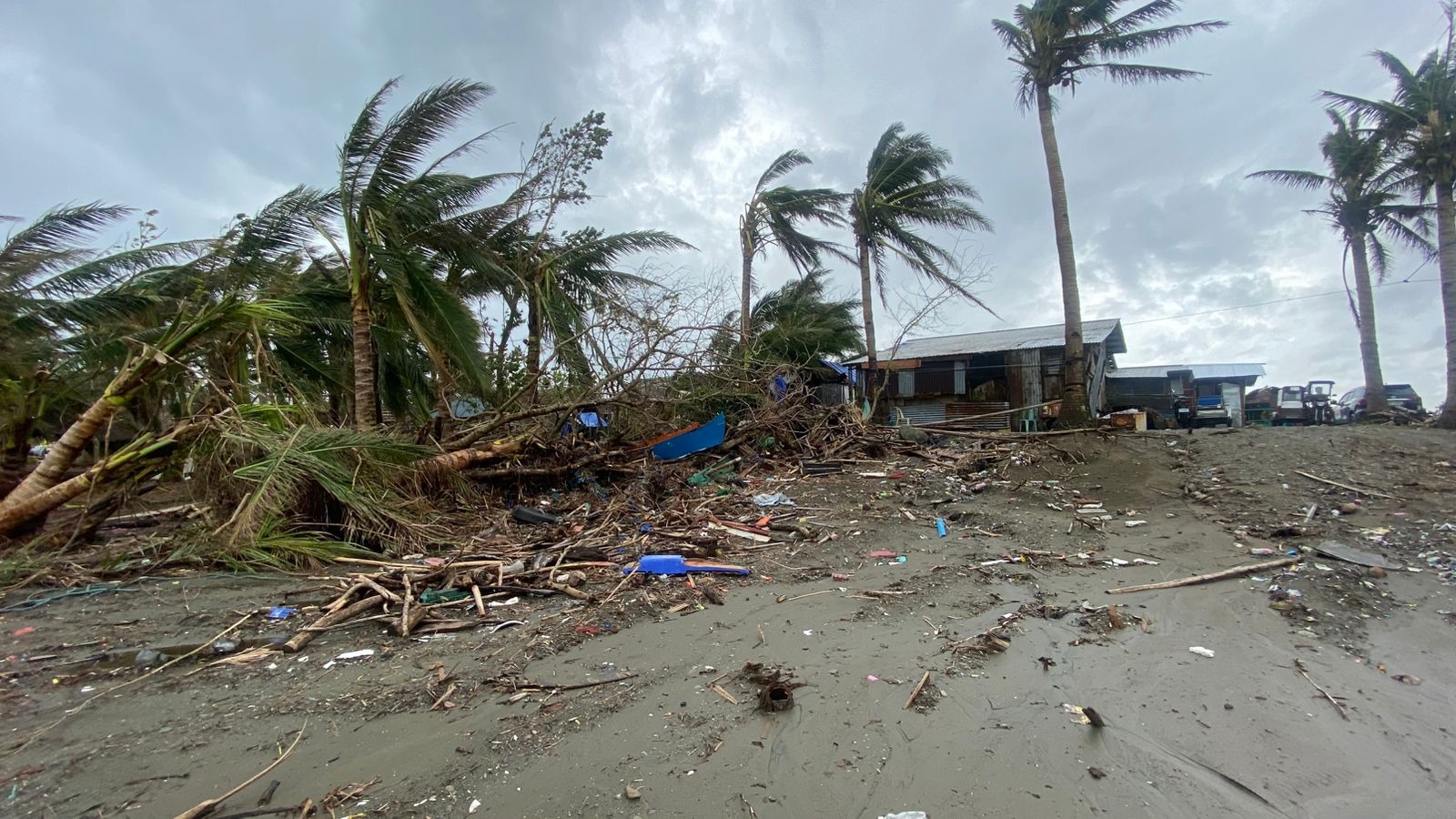
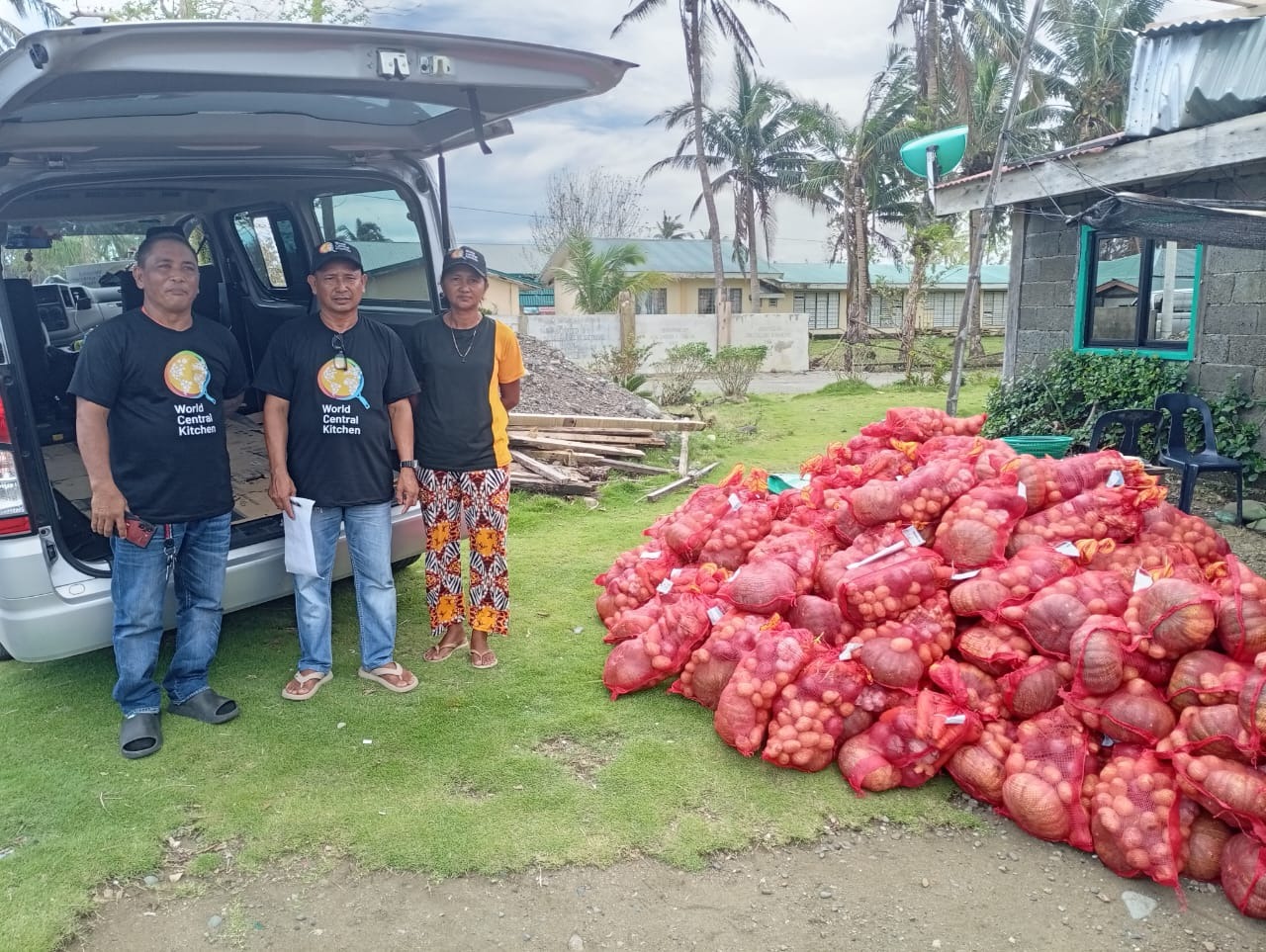
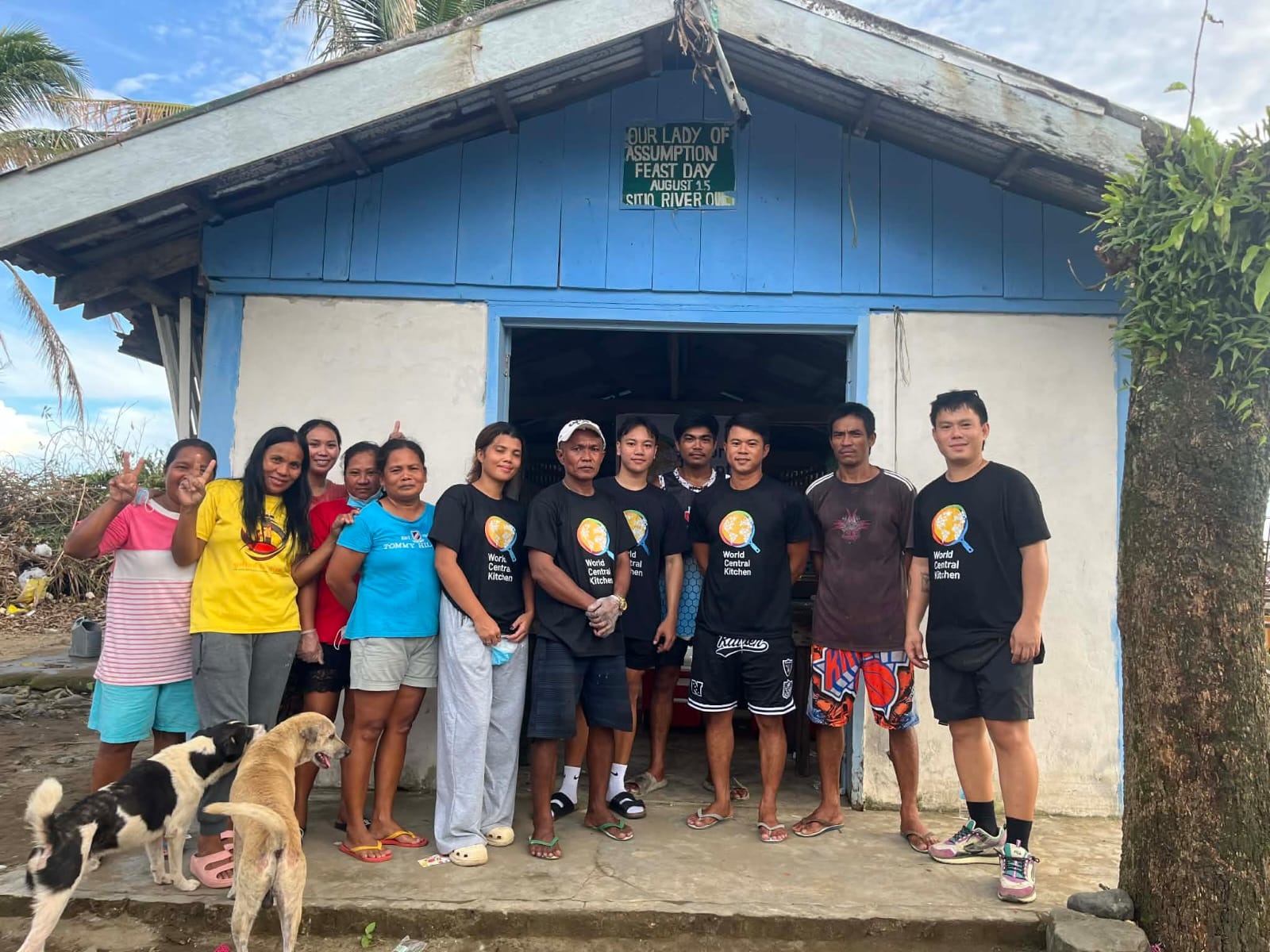
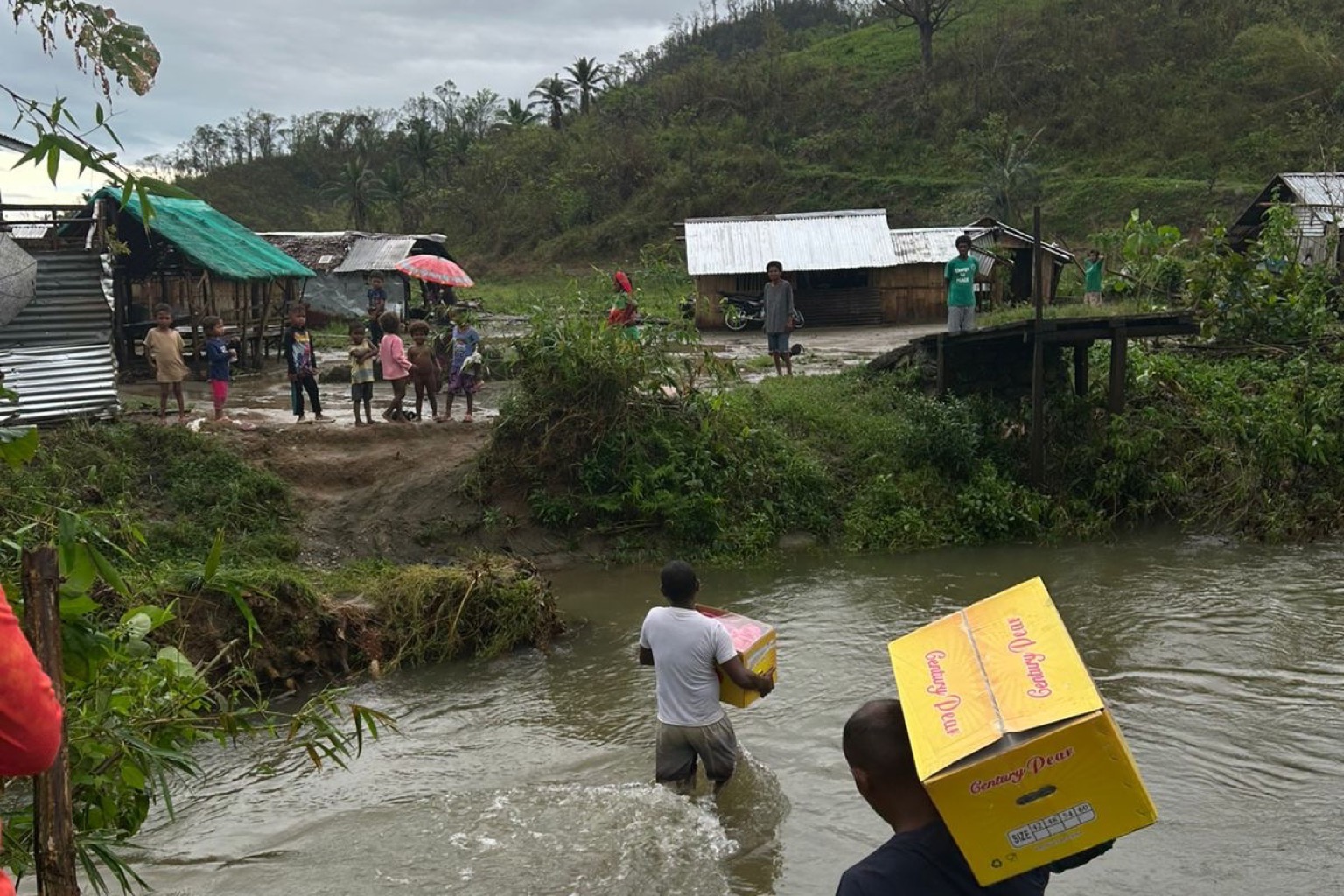
The following field scenes ground the proposal in real deployment conditions and last-mile distribution realities.