Atelier
My Design Process, Turned Into a System
ATELIER is how I design websites, written down as a system. It follows web design trends, keeps a structured moodboard, proposes three directions for every site, learns from my feedback and builds the final website.
Speed matters, but taste comes first. I set the direction, make the calls and decide what gets thrown away.
-
project
Own work
2026, ongoing -
scope
System Design
Art Direction
Design Ops
Web Development -
stack
Figma, Astro, Tailwind
Claude, GitHub
Cloudflare Pages
The challenge
Fast websites tend to look like everything else. I wanted speed without losing a point of view.
My role
I designed the system end to end: workflow, decision rules, taste model, review tools and the art direction of every site.
The outcome
In its first weeks: 20+ design decisions logged and ten sites built. Three went all the way, from directions to final site.
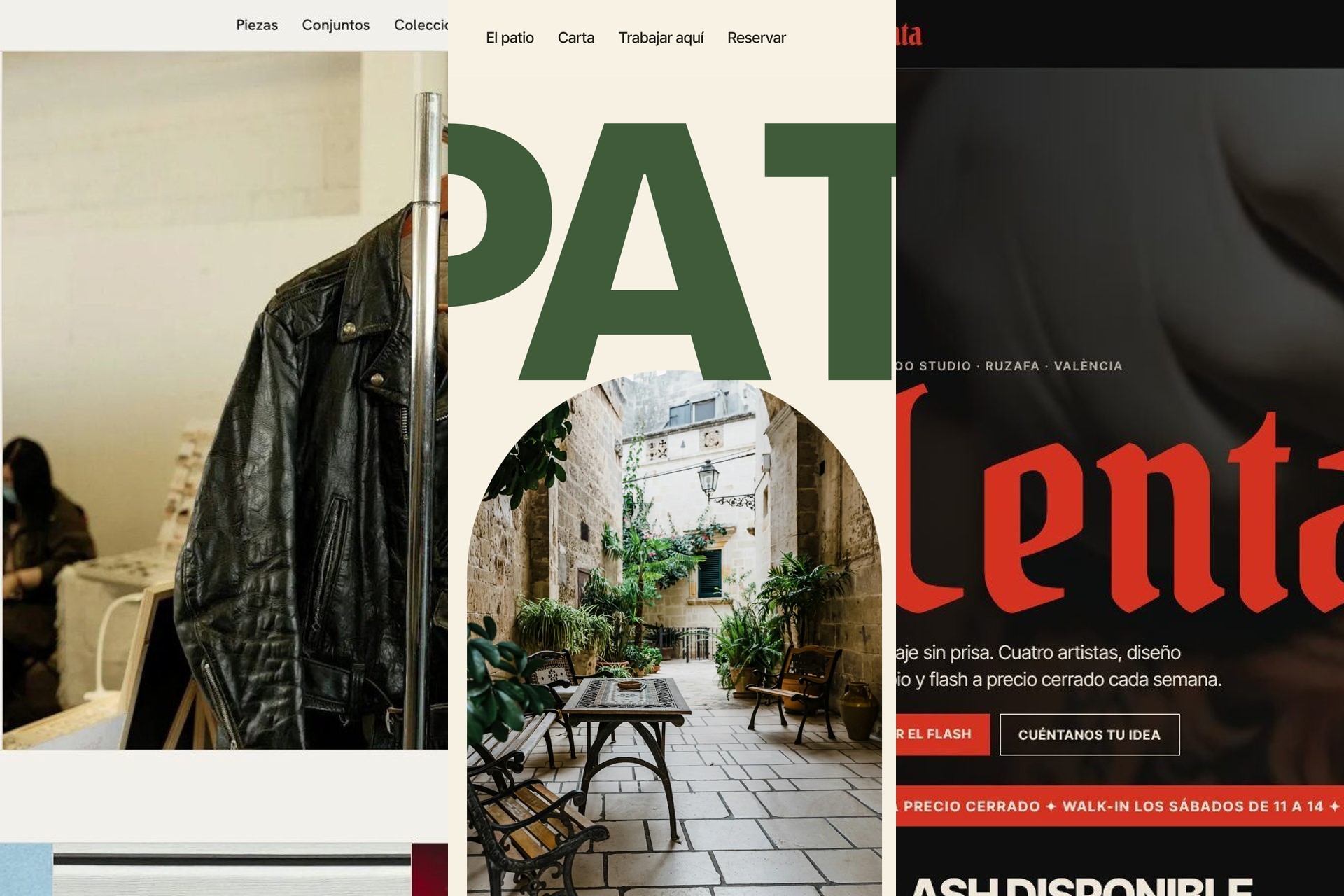
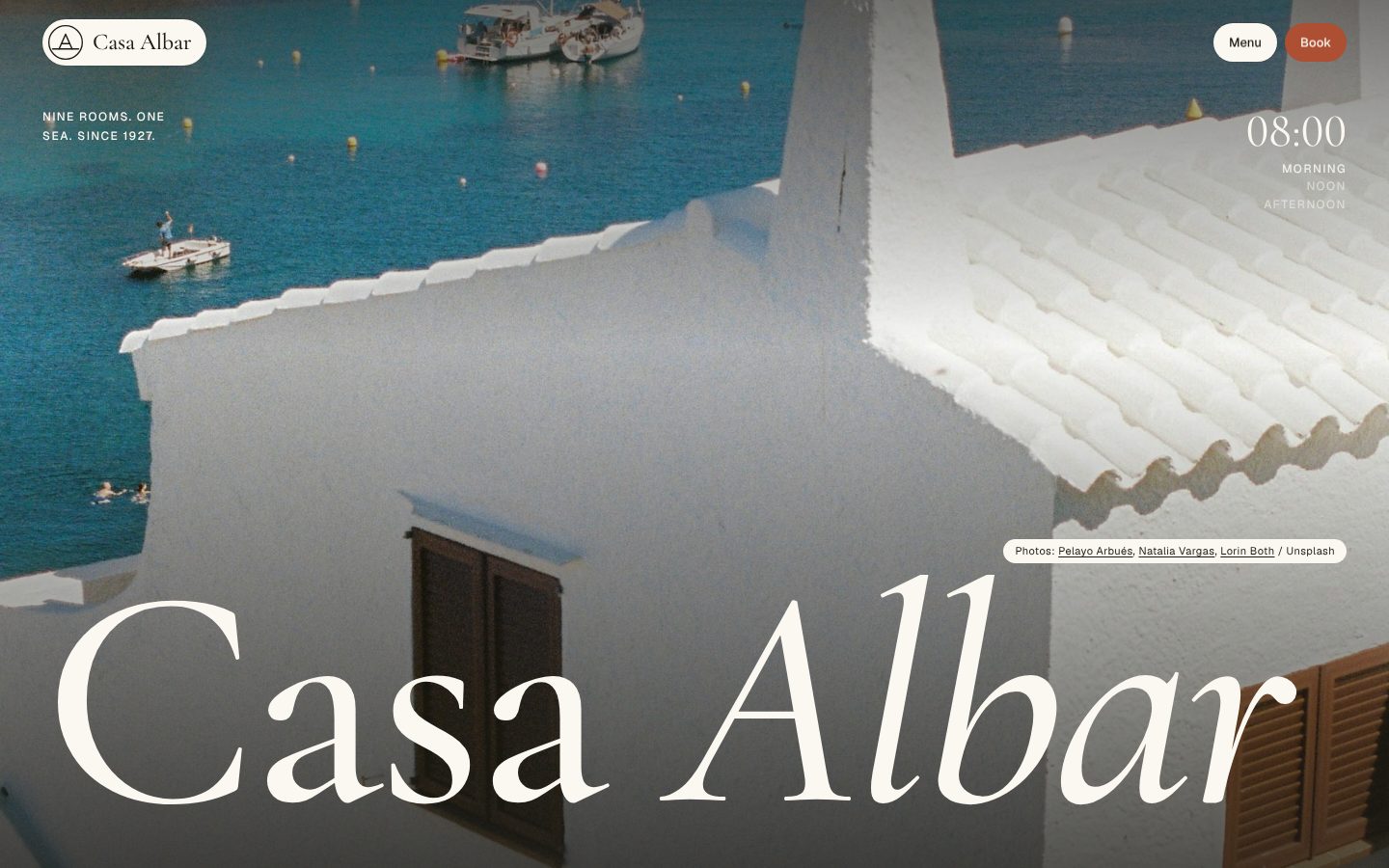
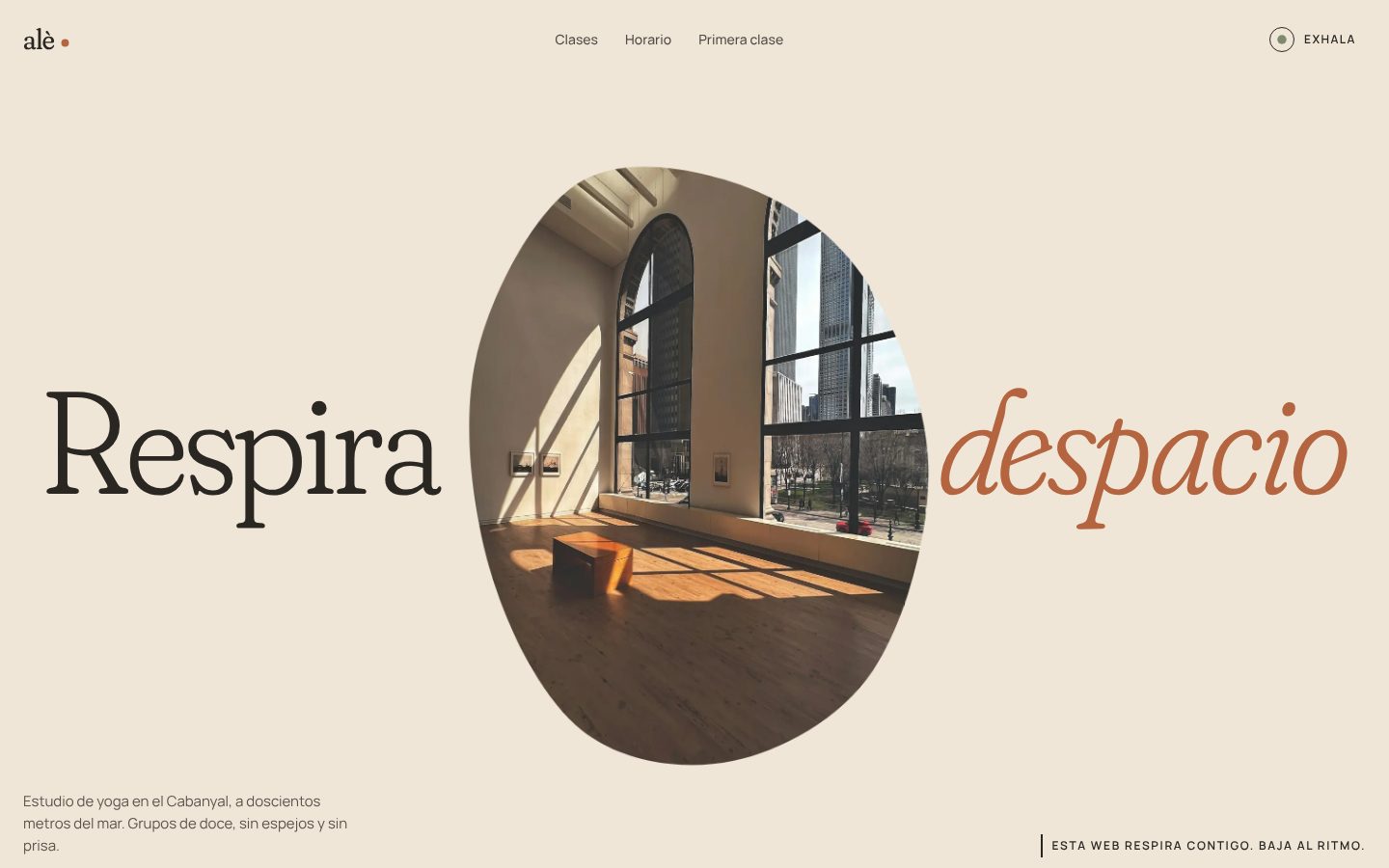
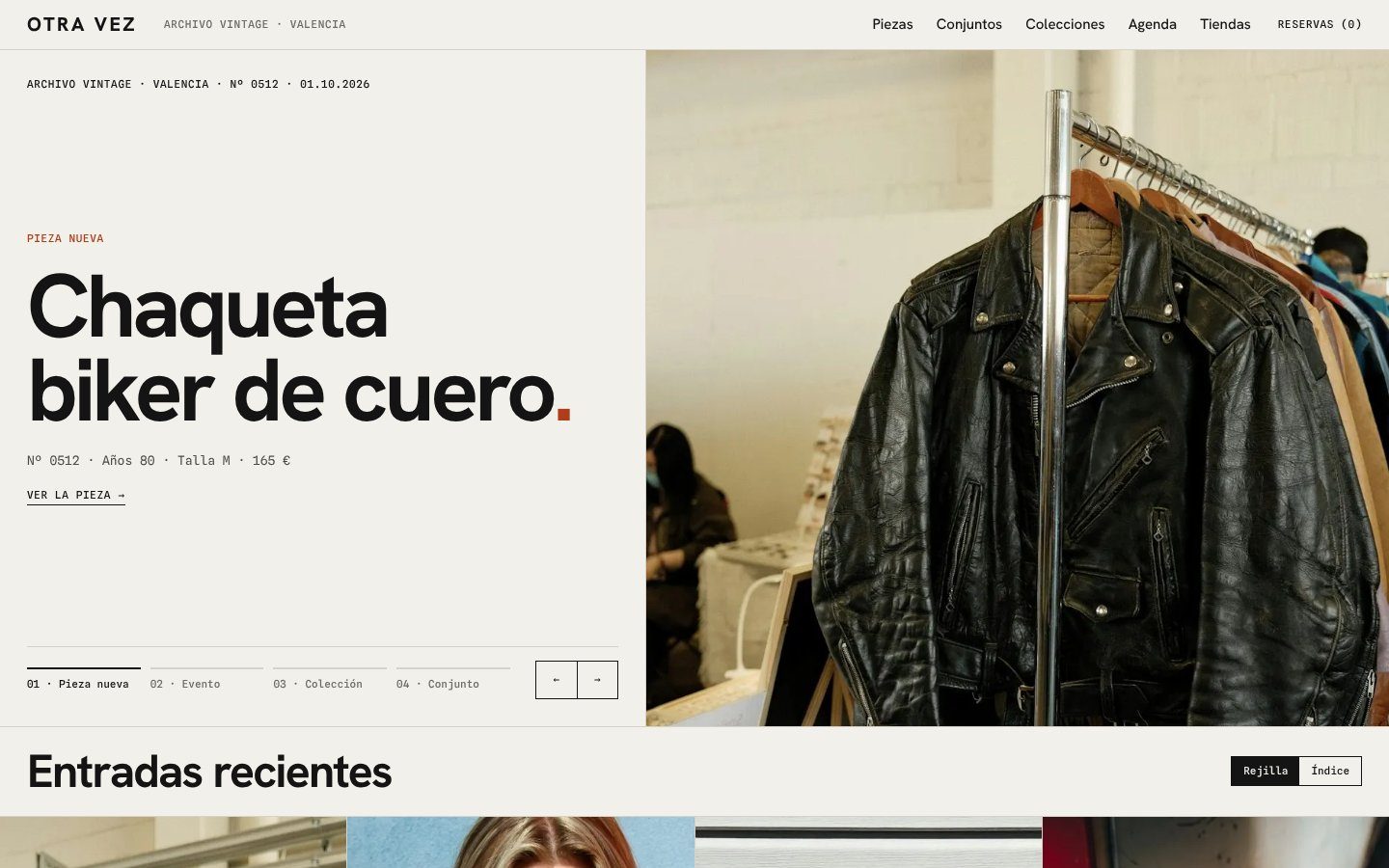
Concepts made with ATELIER
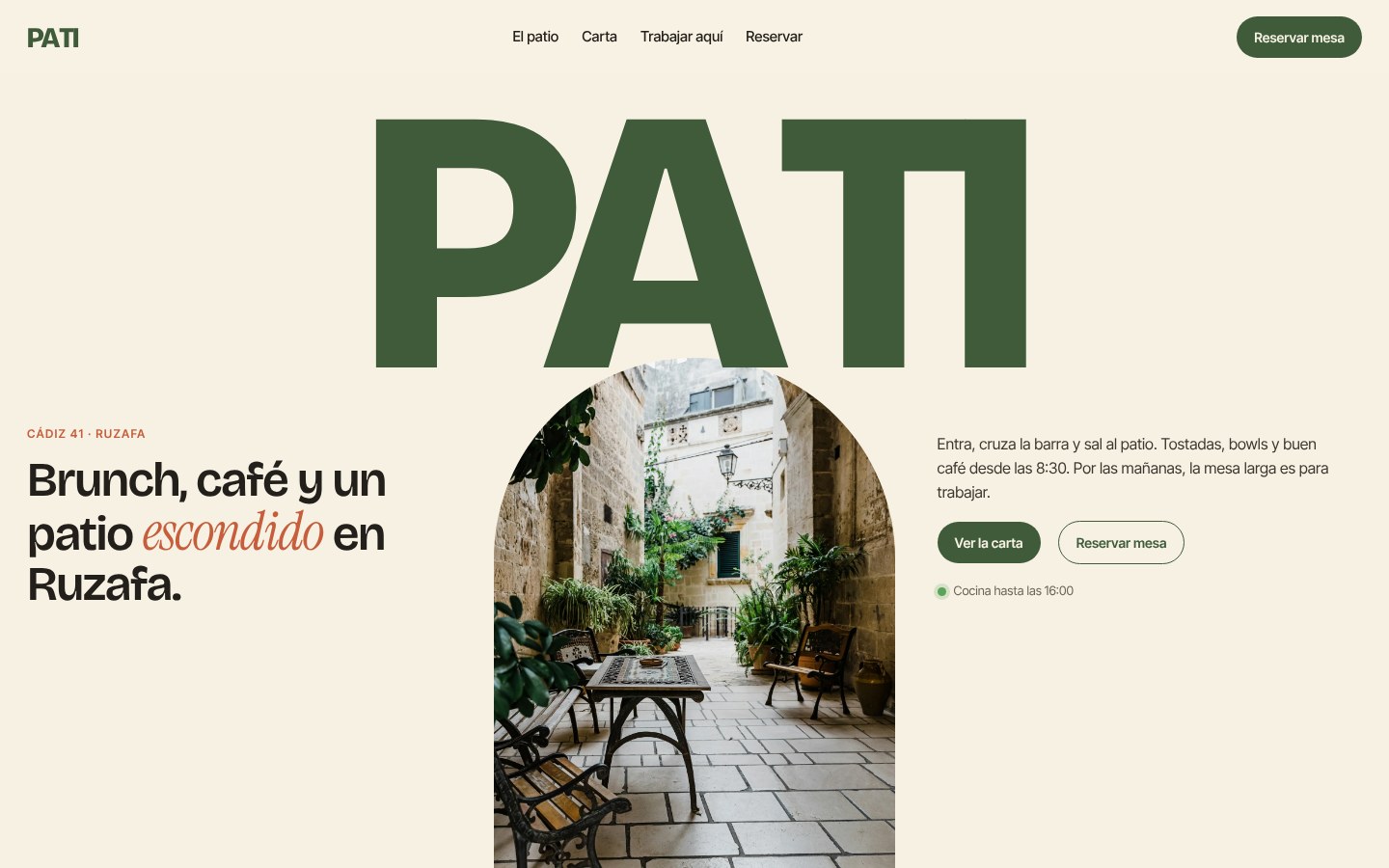
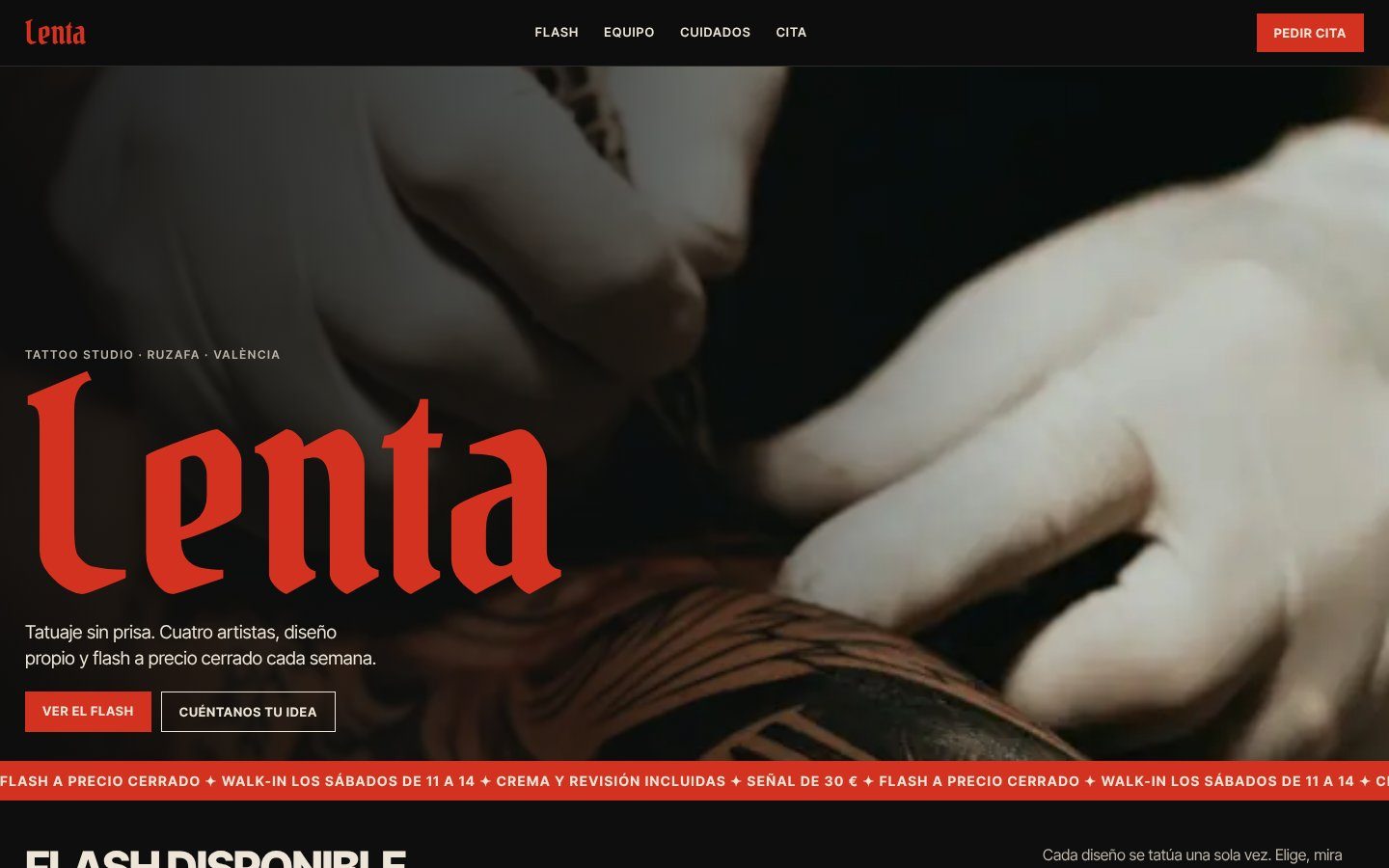
A website can be made in an afternoon. That is the problem: it looks like everything else.
I wanted the opposite: a process where speed serves taste and every site has a personality of its own. ATELIER runs as one loop. Trends and saved references become a moodboard tagged by palette, type, layout and motion. Every brief gets three directions. I choose. The chosen direction becomes a real site in Astro, checked automatically for links, accessibility and responsive layouts. My feedback goes back into the system.
Directions before builds.
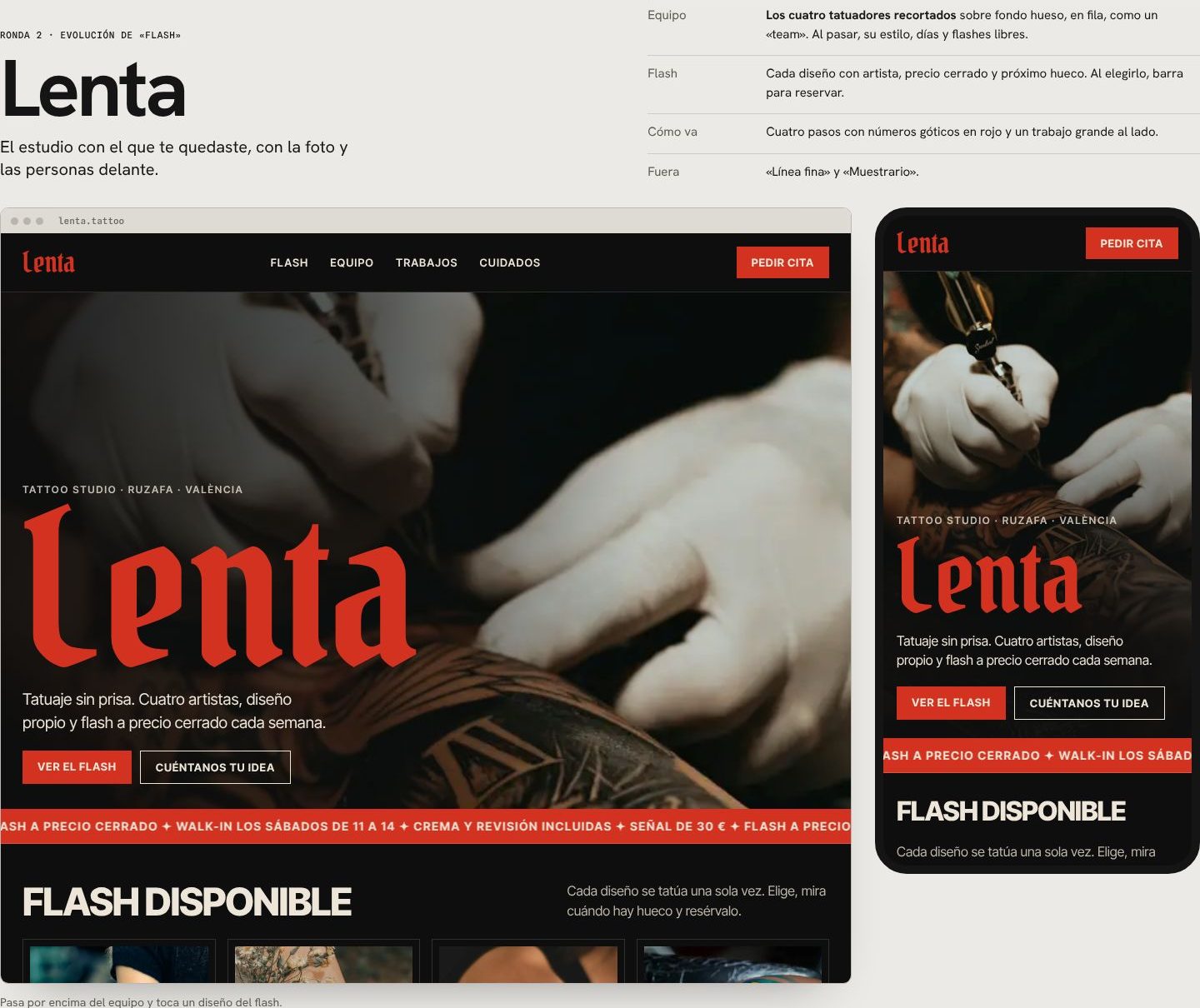
Each direction defines palette, typography, layout and one signature piece, shown on desktop and mobile with a light demo. It costs little to throw away, so I throw away a lot.
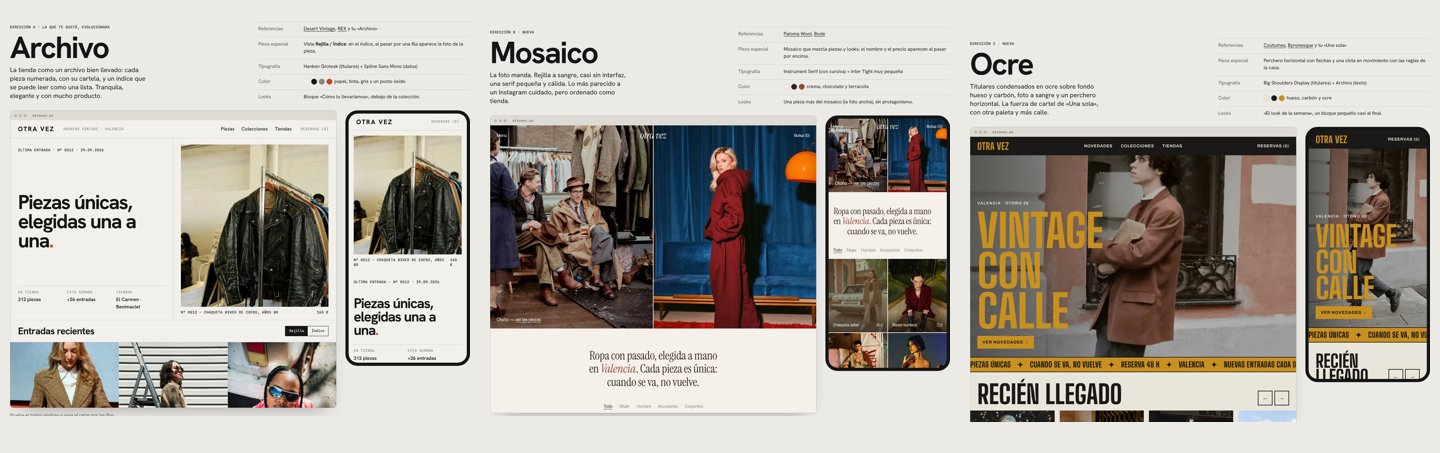
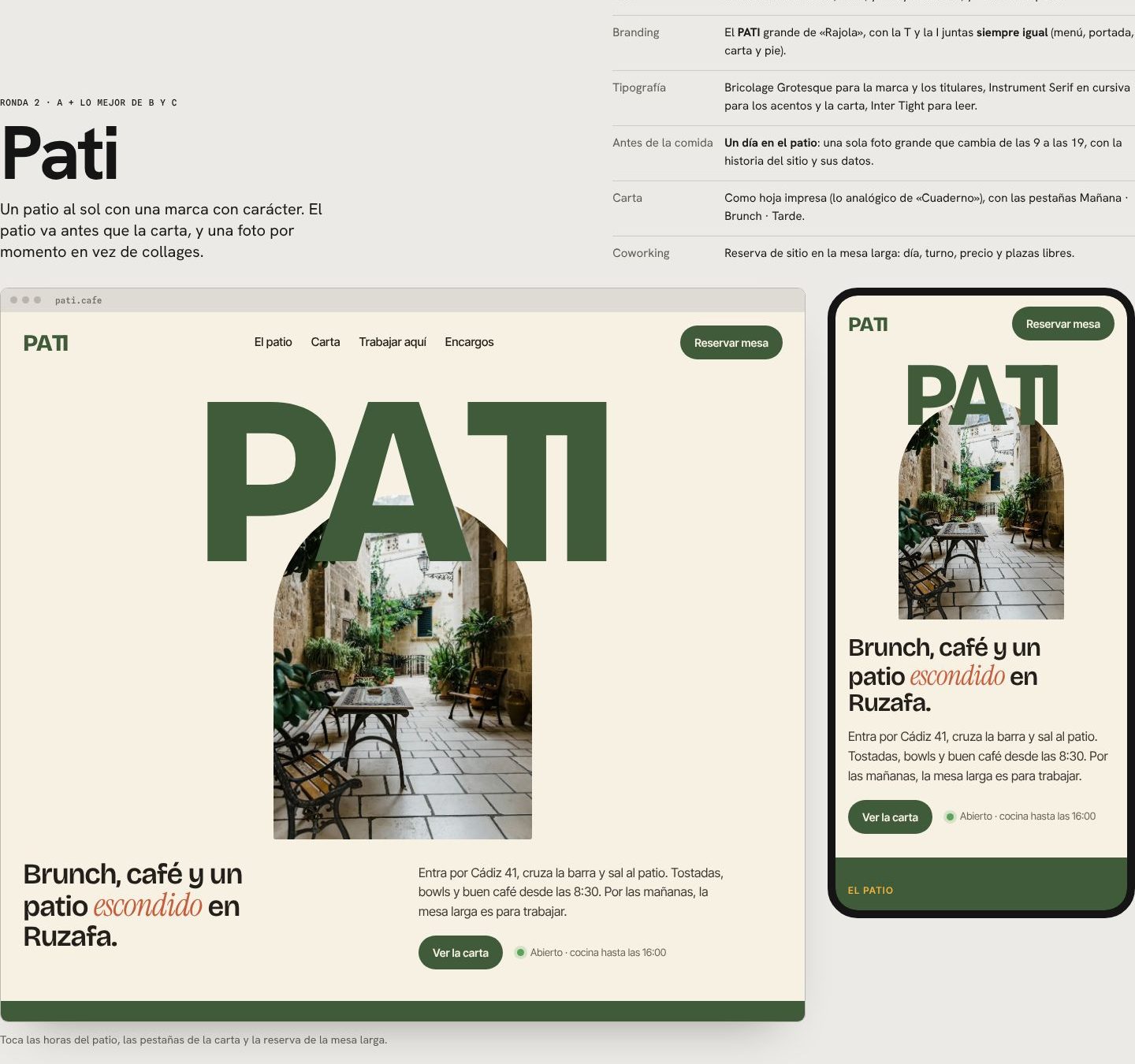
Otra Vez took four rounds. The first ones were rejected: too similar to each other, too editorial, too much colour. The fourth round landed on Archivo, with the shop photos borrowed from Mosaico. Pati and Lenta each needed two rounds, mixing the best parts of several directions.
Empty and flat is not minimal. Complexity has to earn its place.
Those are two of the rules in the taste profile the system keeps in writing. Every comment starts as a suggestion and becomes a rule once it repeats or I generalise it. Others: no template stores, one frame system per site, and if a brand detail needs explaining, it should not be there.
A private control panel ties it together: the trend radar, every round of directions with my notes, the sites, and a review mode where I pin comments straight onto live elements. Those pins become the next iteration's to-do list.
In its first weeks ATELIER logged more than 20 design decisions and built ten sites. Three went through the full process, from directions to final site, and are shown above.
The brands are fictional. The process is real.
I designed the system end to end: the workflow, the decision rules, the taste model, the review tools and the art direction of every site. Tools, AI included, handle research, production and checks inside those rules. They never pick the direction.